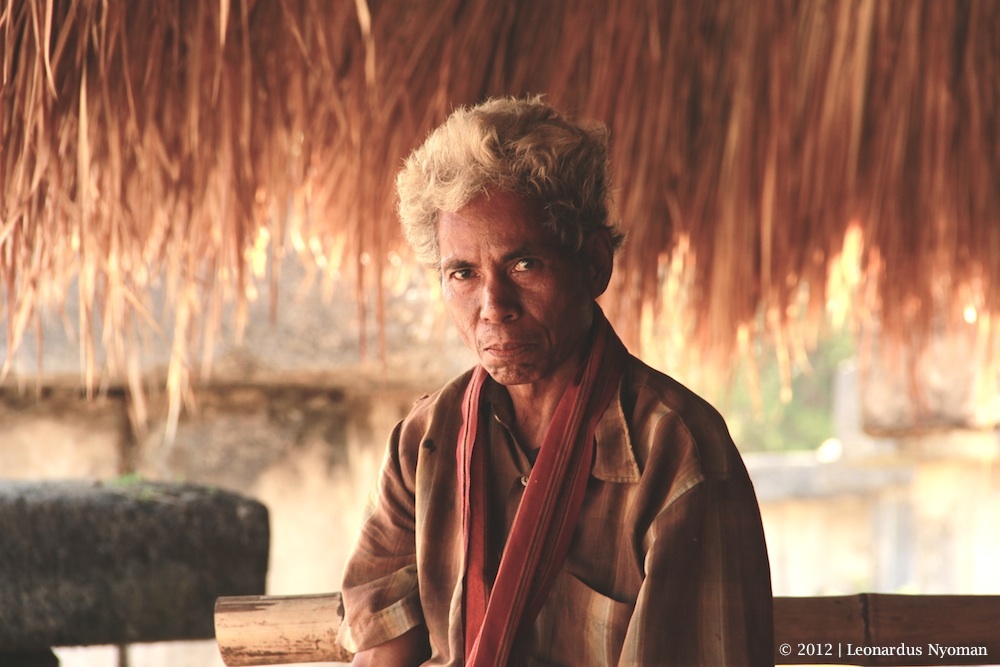
Powerful Surf, living megalithic
culture and fine ikat cloths
Facing
the wide Indian Ocean, the island of Sumba in the province of East Nusatenggara
is a surfer’s paradise. The large rolling Sumba barrels usually appear between
May through October when waves can be either very high and strong or very flat
as breaks are directly exposed to wide open ocean swells. This kind of powerful
surf, however, though very challenging, should only be ventured by professionals.
However, throughout the year, swells rise from 3 to 6 feet.
 Although
as yet little known on the tourist map, surprisingly the island of Sumba has a
number luxurious, well frequented resorts. The Nihiwatu Resort, for example,
describes itself as “the ultimate in privacy, exclusivity, views and romance”,
and has been awarded Indonesia’s 2nd best hotel by Tripadvisor. Additionally
there is the Sumba Nautil Resort both in the south west of Sumba, another
favourite with surfers.
Located
between the islands of Komodo
and Sumbawa, Sumba has two distinct climates. Its
western part receives more rain, is more fertile and therefore has more
inhabitants, whilst its eastern part is mountainous with grassy plateaus and
valleys. Here is Sumba’s highest peak, the Wangga Meti rising 1,225 meters
above sea level. . Capital of west Sumba is Waikabubak with its airport
at Tambolaka, while the island’s largest town of Waingapu in
East Sumba. In between are mostly villages where communities still adhere
to the ancient belief of Marapu or ancestor worship of the
megalithic era. Here you will find large, well carved megalithic tombs.
Traditional clan houses are round with peaked thick thatched roofs resembling
wide sunhats. West Sumba plants rice, while East Sumba is famous
for its water buffaloes and ikat weaving. Sumba raises Indonesia’s best
horses.
West
Sumba
The
western part of Sumba has plenty to offer tourists who dare to venture into
off-the-beaten- track destinations. Here can be seen traditional
villages, stone megalithic tombs even around West Sumba’s capital of
Waikabubak, and watch rituals following the ancient belief of the islanders.The
center of rituals Is the village of Tarung, a small remote hamlet west
of Waikabubak, which the Sumbanese believe is their spiritual center. It
is the high priest of Tarung who officiates at the yearly Wula Padu
ceremony honoring the deified ancestors at the start of the Marapu newyear at
the arrival of the rainy season. The Festival is held around October or
November.
Once
a year the exciting Pasola jousting festivals, the culmination of
a series of fertility rituals are held on separate days at different locations
on the island. Hundreds of warriors on horses charge into each other riding
bareback, hurling spears. This festival, usually held between February and
March, and is believed to bring fertility to the
land.
The
world has come to know West Sumba closer since the opening of the Nihiwatu
Resort in the southwest of the island, some 1.5 hours from Waikabubak. This
resort is known for its exceptional surf and beautifully inspiring
surroundings. Surfing is best at the Kerewe, Marosi and Dasang beaches
facing south where there are premier lefts and large double overhead surf.
East
Sumba
Waingapu
on the northern eastern coast of Sumba is the largest town and its seaport.
Around
two kilometers from Waingapu is the traditional village of Prailiu, and some 10 km. away is the village
of Kwangu, while 6 km from the city is the village of Labanapu, all three are
famous for their exquisite ikat weaving. Women of Sumba produce some exemplary
hand woven cloth with motifs of stylized horses, animals and people, in dark
blue, red and black, white and yellow natural dyes. Here visitors can
watch the entire intricate and tedious process of ikat weaving. Look for the
unique cloths with sewn in seashells.
Best
surf in the east is on Manggudu island, which has both left and long right
waves.
Text by: www.indonesia.travel
Photo by: Leonardus Nyoman