Pulau Bidadari, which means ‘angel
island’ in Indonesian, is a small, charming island located northwest of
Labuan Bajo. This island is a water lover’s paradise. Its excellent
white-sand beaches seem to have come from paradise, and its crystal
clear and calm waters make it an ideal spot for swimming, snorkeling,
and especially learning how to dive. Bidadari Island, reachable by way
of a short 15–20 minute boat trip, is a tiny island. Its 14–15 hectares
are covered with hills and trees, and it is almost completely surrounded
by beautiful beaches.
Seraya Kecil island


Only 10km from Labuan Bajo lies the small but charming Seraya Island (official name: Seraya Kecil) – a place where chilling out on white sandy beaches, swimming in the clear, calm and turquoise water or exploring the colorful underwater world with just some goggles and a snorkel make up your daily routine. Around the small fishing village that is located on the southern tip of the island, you can get an impression of the bagan style of traditional fishing with its bamboo structures erected over the open sea.
Kanawa island


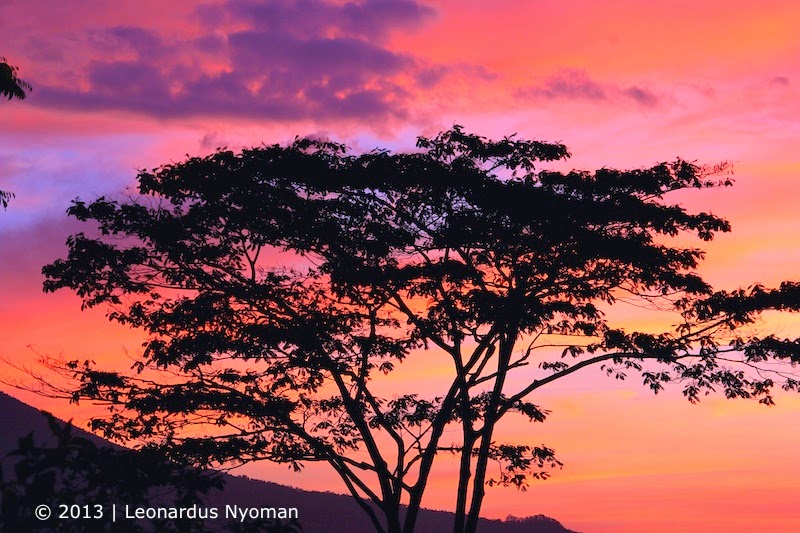
Kanawa Island, located approximately 15 kilometers from Labuan Bajo at the border of Komodo National Park, is considered to be one of Southeast Asia’s most idyllic islands, fully surrounded by a spectacular reef with thousands of fish species, turtles, corals, reef sharks, and mantas. A small hill in the middle of this untouched island guarantees a spectacular view over the national park and to Labuan Bajo Bay. From here, you can enjoy the most breathtaking sunrises and sunsets.
Facilities
On all of these small islands, you will find accommodation in the
form of basic bungalows which are located almost directly on the beach.
There are also a number of small restaurants.
However, equipment for snorkeling cannot be rented on every island. On Bidadari you should have your own snorkeling gear which can be obtained from a dive rental place in Labuan Bajo; whereas on Kanawa and Seraya you can rent the equipment directly on the islands.
If you’re up for diving, you should check before departing whether either renting the equipment is possible on the island or whether you should first arrange it from Labuan Bajo.
Bidadari Island is managed by Reefseekers for dive resorts; however for diving activities with them, you need to make an arrangement in their Labuan Bajo office, not on the island. Kanawa island is developed by an Italian company, where diving is possible without any arrangements in Labuan Bajo.
There are further more stunning islets around Labuan Bajo, as such as Kalong and Monkey islands, easily reachable and both offer good opportunities to explore Flores’ exotic fauna. As there is no accommodation on these islands yet, visits are limited to day trips. However, the islands are so close to Rinca and Komodo islands that some local tour operators offer overnight stays in villages on both islands.
However, equipment for snorkeling cannot be rented on every island. On Bidadari you should have your own snorkeling gear which can be obtained from a dive rental place in Labuan Bajo; whereas on Kanawa and Seraya you can rent the equipment directly on the islands.
If you’re up for diving, you should check before departing whether either renting the equipment is possible on the island or whether you should first arrange it from Labuan Bajo.
Bidadari Island is managed by Reefseekers for dive resorts; however for diving activities with them, you need to make an arrangement in their Labuan Bajo office, not on the island. Kanawa island is developed by an Italian company, where diving is possible without any arrangements in Labuan Bajo.
There are further more stunning islets around Labuan Bajo, as such as Kalong and Monkey islands, easily reachable and both offer good opportunities to explore Flores’ exotic fauna. As there is no accommodation on these islands yet, visits are limited to day trips. However, the islands are so close to Rinca and Komodo islands that some local tour operators offer overnight stays in villages on both islands.
Kalong Island (Pulau Kalong) is a place where you
can enjoy the bustling activities of thousands of flying foxes every
evening. It is located only 16km from Labuan Bajo.
Monkey Island (Pulau Monyet) is a spot where plenty
of smart monkeys will entertain you with their amusing behavior. It is
located only 800 meters from Labuan Bajo.
Text by: http://www.florestourism.com/where-to-go/islands-around-labuan-bajo-0
Photography by Leonardus Nyoman